.png)


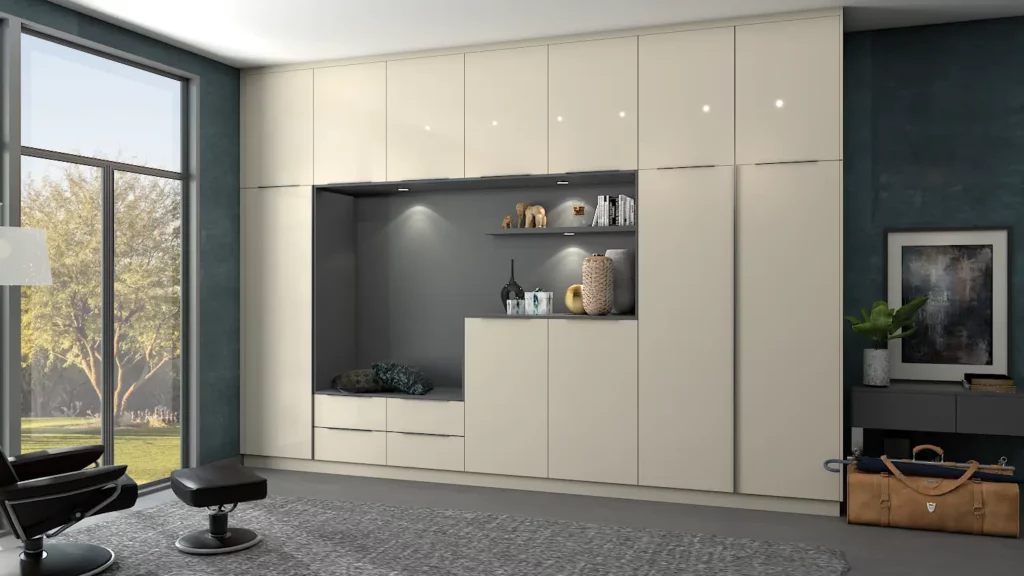
Sustainability is now part of modern Indian homes. Many Bollywood homes focus on eco-friendly interiors. You see cleaner layouts, natural materials, and low-impact furniture. You can apply the same approach to your dresser design.
A dresser is used every day. It must be durable, safe, and easy to maintain. Material choice and construction decide its environmental impact.
Furniture production affects resources and indoor air quality. Key facts:
In India, indoor air pollution is a growing concern in urban homes. Low-emission furniture improves air quality.
Material selection is the first step. Use:
Avoid:
These choices reduce exposure to harmful emissions.
A well-designed dresser lasts longer. This reduces waste. Focus on:
Furniture with a lifespan of 10 years or more reduces overall cost and waste.
An eco-friendly dresser is also functional. Plan storage like this:
Better organisation reduces the need for extra storage units.
Finishes affect both look and safety. You should use:
Low-maintenance surfaces reduce water and cleaning product use over time.
Lighting adds function to your dresser. Use:
LED lighting consumes up to 75 percent less energy than traditional bulbs.
Factory-made furniture improves consistency and reduces waste. You benefit from:
This aligns with sustainable production practices followed by organised manufacturers.
Eco-friendly dressers are practical for Indian homes. When you select the right materials and design for long-term use, you reduce waste and improve indoor conditions. A structured approach helps you create a space that supports both daily use and sustainability.